
Meals that Heal - An Introduction to Culinary Medicine
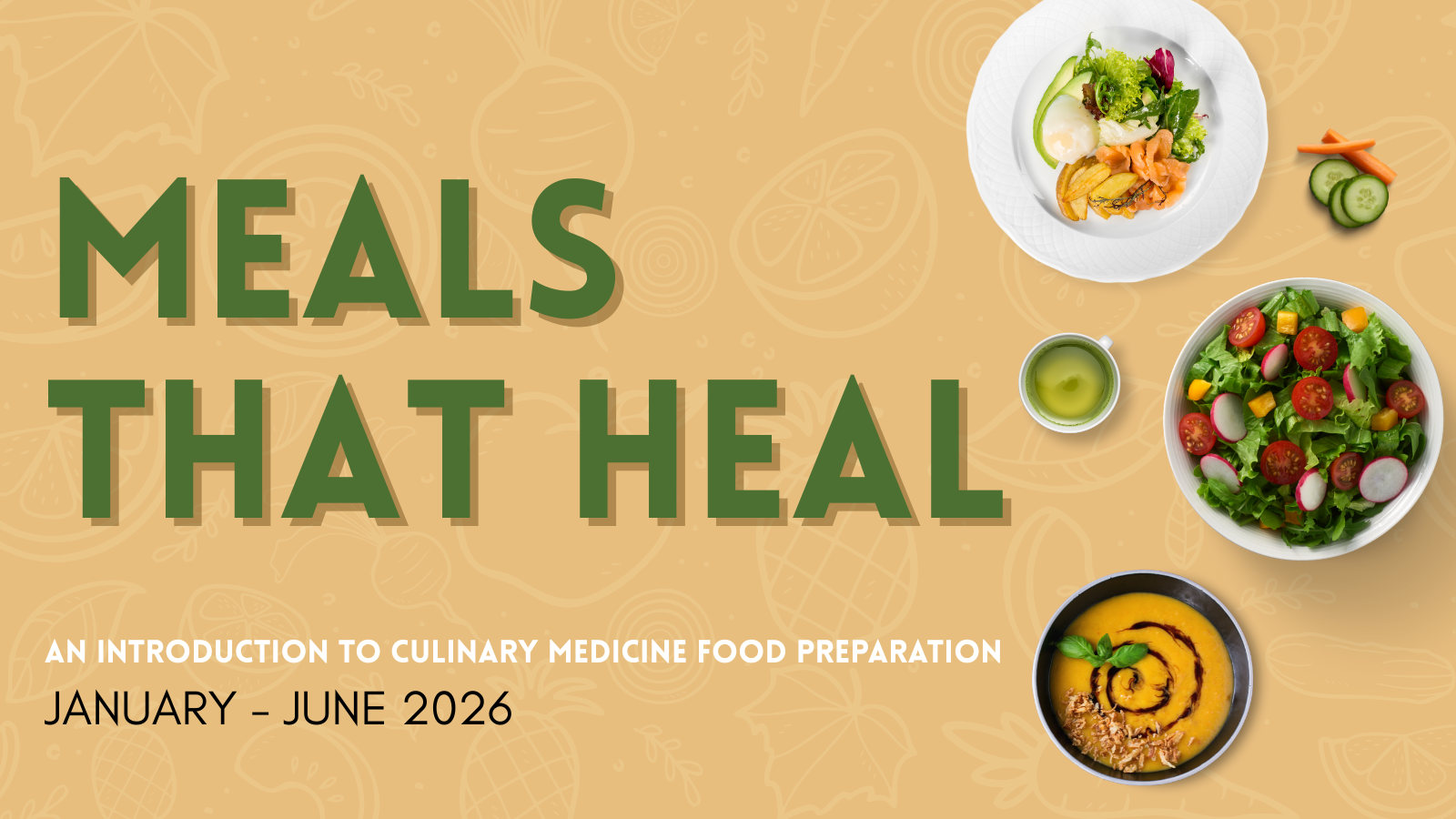
Beginning a new year has many of us making a pledge to change our diet so we can lose a couple of pounds. But eating healthier food is so much more than just maintaining and managing our weight. For better or for worse, everything we eat, and drink has an impact on our bodies and overall wellness.
Our bodies depend on the food we consume to create energy to function properly, fight off infections and repair themselves when there is any damage. The human body is a beautiful machine that can achieve amazing feats when it is given nutritious meals regularly.
Health conditions such as high blood pressure and cholesterol, diabetes and some cancers are directly linked to our diets. Many people suffer from these health challenges and have difficulty including healthy foods, like fruits, vegetables, herbs and spices, into their diet to manage and improve their health. Lack of nutrition and food preparation education contributes to poor eating habits and increases the risk of developing diet-based chronic diseases.
The health benefits that come from fruits and vegetables can be found in the actual color of the produce itself. “Plants contain phytonutrients and are very important to our health and well-being”, states Dr. Desmonette Hazly, comprehensive integrative health and lifestyle medicine specialist. Phytonutrients, also known as phytochemicals, are chemical compounds that give plants their vibrant colors as well as their distinctive aromas and flavors. These nutrients play a part in the immune system of plants and protect plants from disease and excessive exposure to the sun.
Dr. Hazly teaches integrative nutrition and culinary medicine classes and stresses the importance of eating a variety of fruits and vegetables daily. “When we eat plants, phytonutrients help protect our bodies from chronic diseases. Each color of the plants we eat contribute to helping us stay healthy”.
Dr. Hazly has shared a list of fruits and vegetables sorted by color, along with the phytonutrients they contain, and which foods you’ll find them in.
Red: Rich in the carotenoid lycopene, a potent scavenger of gene-damaging free radicals that seems to protect against prostate cancer as well as heart and lung disease.
Found in: strawberries, cranberries, raspberries, tomatoes, cherries, apples, beets, watermelon, red grapes, red peppers, red onions
Orange and yellow: Provide beta cryptothanxin, which supports intracellular communication and may help prevent heart disease.
Found in: carrots, sweet potatoes, yellow peppers, oranges, bananas, pineapple, tangerines, mango, pumpkin, apricots, winter squash (butternut, acorn), peaches, cantaloupe, corn
Green: These foods are rich in cancer-blocking chemicals like sulforaphane, isocyanate, and indoles, which inhibit the action of carcinogens (cancer-causing compounds).
Found in: spinach, avocados, asparagus, artichokes, broccoli, alfalfa sprouts, kale, cabbage, Brussels sprouts, kiwi fruit, collard greens, green tea, green herbs (mint, rosemary, sage, thyme, and basil)
Blue and purple: Have powerful antioxidants called anthocyanins believed to delay cellular aging and help the heart by blocking the formation of blood clots.
Found in: blueberries, blackberries, elderberries, Concord grapes, raisins, eggplant, plums, figs, prunes, lavender, purple cabbage
White and brown: The onion family contains allicin, which has anti-tumor properties. Other foods in this group contain antioxidant flavonoids like quercetin and kaempferol.
Found in: onions, cauliflower, garlic, leeks, parsnips, daikon radish, mushrooms
It is very important that we “eat a rainbow” of fruits and vegetables to maintain good health. Join Dr. Desmonette Hazly to learn more about phytonutrients and how to create delicious meals with colorful fruit and vegetables as we savor the changes of the seasons.
To learn more about Phytonutrients visit: https://www.health.harvard.edu/blog/phytonutrients-paint-your-plate-with-the-colors-of-the-rainbow-2019042516501
For upcoming events in the Meals that Heal series, please check our event calendar, and check back for more blogs.
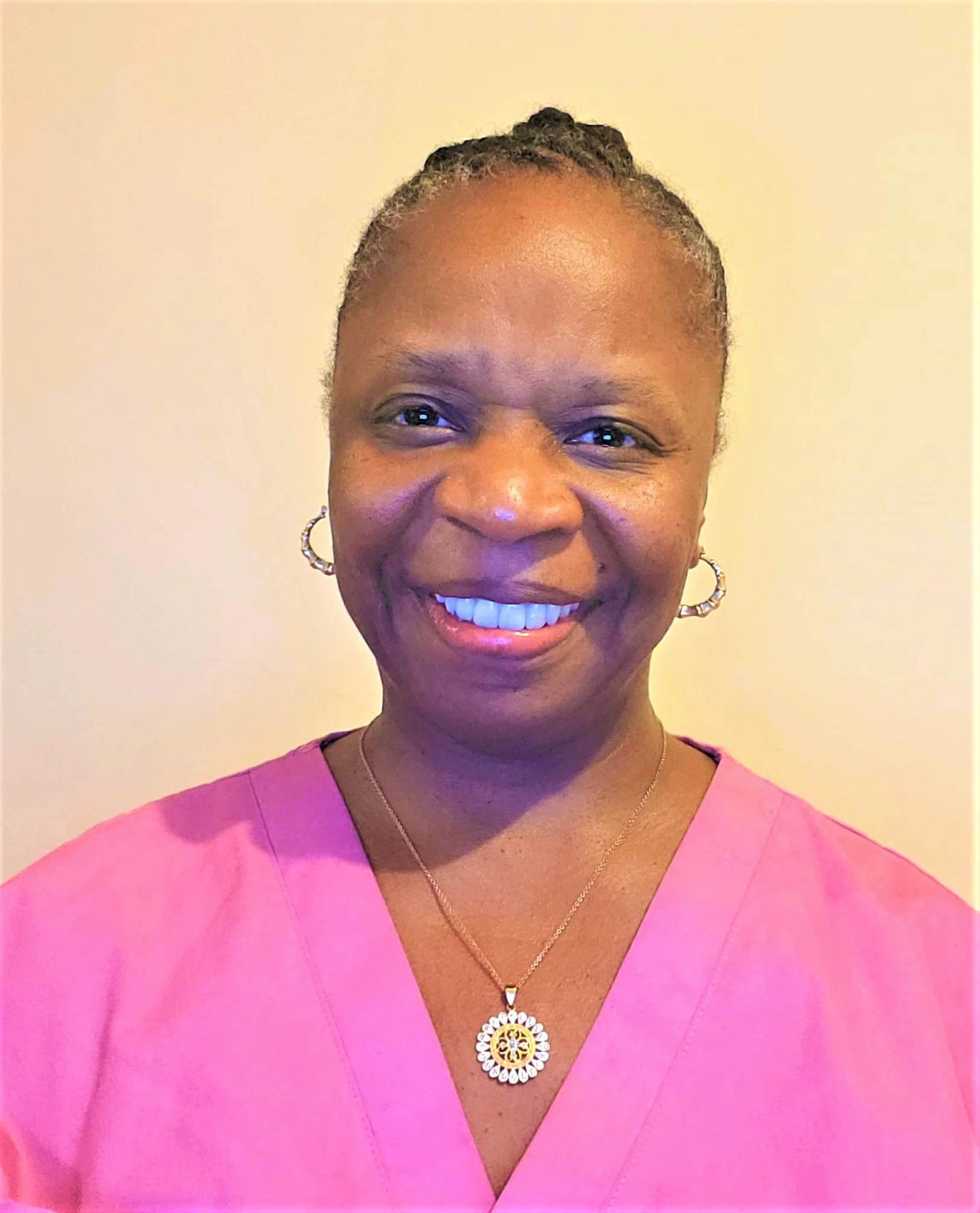
Dr. Desmonette Hazly MA, MSW Ph.D., is an Integrative Health Specialist and is the Chair of Integrative Health and Wellness at the Institute of Integrative Oncology/Greet the Day. She holds graduate degrees in social work, public policy and a Ph.D. in International Politics and Policy with a focus on community development and global health. Dr. Hazly currently develops and implements trauma-informed culturally inclusive health and wellness education programs based on Lifestyle and Mind-Body Medicine, Culinary Medicine and Nutritional Psychiatry. Receiving specialized education and training from institutions which include Harvard, Stanford, Yale and Cornell universities, Dr. Hazly approaches health and wellness from a mind, body and spirit perspective and provides simple health and wellness skills and techniques that can be easily incorporated into daily activities. Dr. Hazly is also a formally trained chef and received her Graduate Advanced Culinary Medicine and Applied Nutrition certification from the University of Kentucky School of Medicine and teaches specialized community integrative nutrition courses that support mental health and prevent and manage chronic illnesses such as heart disease, diabetes, and arthritis.
Dr. Hazly has developed and implemented community health and wellness program locally, nationally, and internationally and has collaborated with the LA County Departments of Mental and Public Health, Los Angeles Public Library, Los Angeles Department of Cultural Affairs, Los Angeles Regional Food Bank, Glendale Public Library, the VA Hospital in West Los Angeles, UCLA and USC Medical Centers, International Red Cross, the United Nations, and UNICEF. Dr. Hazly has taught integrative health and wellness education for over 20 years.